Sound of Charlotte Blog
MERGE: Symphonic x Electronic
March 28, 2024By Producer and DJ Liam Collins, known by his stage name Push/Pull

In the heart of an ever-evolving musical landscape, a remarkable fusion is taking place, one that bridges centuries of tradition with the forefront of technological innovation. On May 10 & 11, the Blackbox Theater will become the stage for an unprecedented event that promises to redefine the boundaries of sound and sensory experience.
This event, featuring a live performance by Push/Pull alongside the Charlotte Symphony, is not just a concert; it's a groundbreaking endeavor that merges classical music's rich heritage with the boundless possibilities of electronic music. The collaboration goes beyond mere performance, incorporating visual artistry by Tenorless to create a full sensory experience, unlike anything previously witnessed.

Liam Collins, Push/Pull
At its core, this fusion centers on harmony -- the beautiful synergy of multiple notes working together. Classical music has long explored the depths of tonal harmony, pushing the capabilities of human performance and physical instruments to their limits. In contrast, electronic music, with its precise control over timbres and rhythms, offers creative possibilities that transcend the constraints of traditional instrumentation.
Yet, for all its technological prowess, electronic music can sometimes miss the organic feel and virtuosity that give classical compositions their soul-stirring power. It's a reminder of our human potential and the profound emotional depth that music can reach. After all, classical music is not just a genre but a pinnacle of human artistic achievement, cultivated through centuries of dedicated exploration and mastery.

Tenorless
However, when these two worlds -- classical and electronic -- come together, they remind us that at their heart, both are simply tools in the hands of artists. Instruments and computers alike sit silently until brought to life by human creativity and passion. This event celebrates the merging of classical music's tradition, virtuosity, and composition with the expansive new sound design possibilities that electronic music provides.
As we look forward to this unique blend of past and future, tradition and innovation, we're reminded of the limitless potential of music to evolve and inspire. Join us at the Blackbox Theater on May 10 & 11 for an experience that promises to merge genres and transcend them, creating a moment in time where the essence of musical exploration is celebrated. Read more

Heart of the Home Tour Returns
March 8, 2024
Step inside five exquisite homes across the city at the Symphony Guild of Charlotte's popular Heart of the Home Tour, returning on Friday, March 22, and Saturday, March 23. This signature fundraiser has become a cherished annual tradition, offering an exclusive glimpse inside Charlotte's beautiful homes, opening doors to inspiration in support of the Charlotte Symphony's Youth Orchestras and the Guild's youth music education initiatives.

This year's tour promises to be particularly special, as guests will not only marvel at the stunning architecture and design but also enjoy live music from the talented members of the Charlotte Symphony Youth Orchestra on Friday. From kitchens to outdoor entertaining spaces, these homes will showcase the latest trends in kitchen makeovers, bold design concepts, sustainable materials, and innovative appliances, providing endless inspiration for home remodeling and design.
Design enthusiasts will also have the opportunity to "ask the experts" about these beautiful homes as the architects, builders, and interior designers will be on-site throughout the weekend.

In addition to the main tour, guests can elevate their experience with a VIP Bubbles & Bites Event, held at the home of Honorary Chair Natalie Papier', the founder and owner of design firm HOME EC, on Saturday, March 23. Sip on champagne and savor delectable bites while mingling with fellow design aficionados in an intimate setting.
Proceeds from these events allow The Symphony Guild to support the Charlotte Symphony, its three Youth Orchestras, and The Guild's award-winning youth music education initiatives.
Click here for more information and to purchase tickets. Read more
Composer Spotlight: Nia Imani Franklin
February 16, 2024
A multi-talented musician, composer, actress, conductor, and singer, Nia Imani Franklin was born and raised in Winston-Salem, North Carolina. Her journey in music began at a young age, taking classical voice lessons and composing her first piece at just six years old. Franklin continued her music education earning a master's degree in Music Composition from The University of North Carolina School of the Arts.
Franklin moved to New York after being selected for the 2017 William R. Kenan Fellowship with the Lincoln Center of the Performing Arts education division. She immediately began working with Success Academy Charter Schools and founded a music club for the students. She also served as a cultural partner for Sing for Hope, a NYC-based non-profit organization. In June 2018, Franklin was crowned Miss New York and earned the title of Miss America the following year.
Franklin's compositions have been performed by orchestras throughout the United States, with notable works like Chrysalis Extended garnering millions of views on TikTok.
The Charlotte Symphony performing Franklin's Chrysalis Extended at Queens University of Charlotte
In 2019, Franklin founded Compose Her -- an initiative aimed at empowering women in music. Through Compose Her, she provides support, mentorship, and opportunities for female musicians, advocating for gender equality in a field historically dominated by men.
Hear the Charlotte Symphony perform Franklin's When I Consider Your Heavens conducted by Christopher James Lees on March 19 at On Tap @ Town Brewing Company. Read more
More Famous Than Mozart: Joseph Bologne, Chevalier de Saint-Georges
February 5, 2024
In 18th century France, Joseph Bologne was an unrivaled superstar -- in modern times, he would easily be a household name. Not only a composer, conductor, and a virtuosic violinist who outshone Mozart in Paris, the Chevalier de Saint-Georges earned renown as the greatest swordsman in Europe, a Colonel in the French Revolution, and leader in the abolitionist movement. Until recently, however, Bologne's incredible talent and achievements had faded to near-obscurity.
Bologne was born to an enslaved African-Guadeloupean mother and a French plantation owner father in 1745 on the island of Guadeloupe. The family moved to France when Joseph was a young child, and his father placed him in an elite private school in Paris. Notwithstanding the racist "Code Noir" that even prevented him from taking his father's suffix, "de Saint-Georges," Bologne studied alongside young aristocracy. Prominent teachers included the renowned master of arms, La Boëssière. The young swordsman excelled in fencing; at 17, receiving knighthood from Louis XV -- becoming Chevalier de Saint-Georges.

Though the Chevalier distinguished himself in many pursuits, his musical career rose to extraordinary heights, including the Palace of Versailles. Little is known about his musical training, though he likely learned from composer François-Joseph Gossec. Bologne publicly debuted two violin concertos (Op. 2) as the soloist with Gossec's Concert des Amateurs in 1772, later succeeding Gossec as the orchestra's musical director. He later founded the Concert de la Loge Olympique, which survived through the beginning of the Revolution, and after which, Bologne briefly led the Cercle de l'Harmonie.
His compositions spanned from violin concertos to operas, instrumental forms written between 1771 and 1779 comprising his oeuvre. Bologne contributed to the emerging Classical period with inventive styles. Bologne's symphonie concertantes, a blend of the Baroque concerto grosso and the Classical concerto, were some of the first in France to establish the genre. He wrote three sets of six works for string quartet, Six Quatours concertans. Bologne's three sonatas for keyboard and violin broke from the still-popular basso continuo Baroque style, and he looked ahead to the forming Classical period with textures and harmonies.
Bologne's intricate violin pieces gained the admiration of Mozart, who quite likely copied the Chevalier's work. A passage from Mozart's Symphonie Concertante in E-flat (K. 364) closely follows Bologne's violin concerto (Op. 7, No. 1), written the previous year. At the height of his illustrious career, Bologne often performed for Queen Marie Antoinette, and across the Atlantic, President John Adams acknowledged him as "the most accomplished man in Europe in riding, shooting, fencing, dancing and music."
But even exceptional talent and a high society upbringing did not protect the Chevalier from experiencing racism throughout his life. When he was considered a favorite to direct the Académie Royal de Musique, the foremost musical position in France, three of the Opera's prima donnas refused to be led by a person of mixed race. Their petition crushed Bologne's candidacy.
Read more
Art in Motion: Rosalia Torres-Weiner Chosen to Design CSO Roadshow
January 31, 2024
Charlotte-based creative Rosalia Torres-Weiner and the Charlotte Symphony are set to make beautiful music (and art!) together. Rosalia, Chief Executive Artist of Red Calaca Studio, was selected from an incredible field of talented, local applicants to design a wrap for the Symphony's brand-new mobile stage, CSO Roadshow.
Launching this April, CSO Roadshow will deliver free "walk up" concerts to streets, parks, and plazas for all to enjoy, with each unique program created in partnership with the local community. Our mission is to bring the power of live music right to the heart of Charlotte's neighborhoods. An additional highlight? The 40-foot trailer will be adorned with original artwork by Rosalia, bringing the mission to life in a vibrant way.

This collaboration is more than just a project for Rosalia, it's a heartfelt journey. "I feel a deep connection to the world of music, as my grandfather was a Military Band conductor in Mexico. His passion for music left a lasting impact on our family," she shared. "As a child, I was part of a junior orchestra and learned various instruments. Though my path diverged, music's influence remains a constant in my life."
Rosalia and the Symphony are now putting the finishing touches on this unique design. Stay tuned, as we'll be giving you exclusive sneak peeks of her work before CSO Roadshow sets off on its inaugural tour through our city's neighborhoods this spring.
This innovative project has been made possible thanks to the generous support of the City of Charlotte; the Arts & Science Council; the North Carolina Arts Council, a division of the Department of Natural & Cultural Resources; the Philip L. Van Every Foundation; and the Mariam & Robert Hayes Charitable Trust.

About Rosalia
Rosalia Torres-Weiner is an artist, activist and community leader in Charlotte, NC. Her art captures the themes, colors, and rich symbolism of her native home of Mexico. In 2010, Rosalia shifted the focus of her work from commercial art to art activism, after witnessing the repeated injustices and dysfunction of our immigration system. Her work is featured in the permanent collection of the Smithsonian Anacostia Museum and has been exhibited in venues including the McColl Center for Arts and Innovation, Levine Museum of the New South, Elder Gallery of Contemporary Art, the Leyland Gallery at Georgia College, UNCC's Projective Eye Gallery, the City of Raleigh Museum, the Latin American Center for Arts Gallery, the Birmingham Civil Rights Institute, and the Mexican Cultural Institute at the Mexican Embassy in Washington D.C. Her public murals celebrate the rich history as well as the changing demographics of the South. She also uses her art to document social conditions and to raise awareness about issues that are affecting immigrant communities such as family separation, access to public education, racism, and moving beyond common stereotypes.Her story "The Magic Kite" was adapted by The Children's Theatre of Charlotte, and is also performed as part of her "Suitcase Stories" one-woman show, which was featured at the Smithsonian National Museum of American History. She has been a featured speaker for the North Carolina ASC, Johnson & Wales University, George Washington University, the National Association of Latino Arts and Culture, and the Southern Foodways Alliance. Through her Red Calaca Mobile Art Studio, a 24-foot "Art Truck" she takes the arts directly to people in underserved areas in Charlotte.
Read more
Announcing Kwamé Ryan as the Charlotte Symphony’s Next Music Director
December 12, 2023
We are thrilled to announce that Kwamé Ryan, hailed as a "dynamic conductor" by The Baltimore Sun, will assume the role of your Charlotte Symphony's 12th Music Director, beginning in 2024-25, ushering in a new era for the Orchestra's 93rd season.
"On my very first visit to Charlotte, I felt instantly connected with the dynamic energy of the city and then profoundly inspired by the wonderful musicians of the Charlotte Symphony Orchestra ... I very much look forward to discovering how this exciting new partnership can enrich the orchestra's legacy and the cultural fabric of Charlotte." ~ Music Director Designate Kwamé Ryan
Born in Canada and raised on the Caribbean island of Trinidad, Kwamé Ryan discovered his passion for conducting at the age of nine. He studied Musicology at Cambridge University and trained in conducting under the guidance of renowned composer/conductor Peter Eötvös. An active guest conductor, Ryan has led orchestras across the United States, UK, and Germany. In the fall of 2023, Ryan conducted the world premiere of Jake Heggie's Intelligence at Houston Grand Opera, and in 2024, he makes his debut with Opera Theatre of St. Louis and the New York Philharmonic.

When not on the podium, Ryan dedicates his time to educational and community engagement initiatives. He has previously served as Musical Director of the National Youth Orchestra of France and as Director of the Academy for the Performing Arts at the University of Trinidad and Tobago. Additionally, Ryan is the host of "8 Minute Idea," a podcast in which he offers insights, tools, and life hacks.
"As a dynamic leader who understands the full potential of the relationship between an orchestra and its community," said President and CEO David Fisk, 'Kwamé will undoubtedly deepen the Charlotte Symphony's service to Charlotte and the region, and, with his passion for music education, bring extraordinary, powerful music-making to a wider audience of all ages."
Ryan's selection was unanimous by the Music Director Search Committee, comprised of Charlotte Symphony musicians, staff, and members of the Board of Directors.
"From the outset, there was an incredible chemistry between Kwamé Ryan and the musicians which created an atmosphere of collaboration and inspiration," said Bassist Jeffrey Ferdon and Principal Violist Benjamin Geller, who served as co-leaders on the Music Director Search Committee. "Kwamé's dynamic performances, as well as his ability to connect with audiences in a meaningful way, truly distinguished him. We are thrilled to welcome this exceptional conductor to Charlotte!"
Looking Back
Ryan made his Charlotte Symphony debut in January 2023 leading the Orchestra in Copland's Symphony No. 3, John Adams's Short Ride in a Fast Machine, and Korngold's Violin Concerto featuring Bella Hristova as soloist. For Music City Review, critic Joseph Morgan described the performance as, "...exciting, optimistic, and almost manically utopian. When it ended, I realized I had been holding my breath!"
Returning in November 2023, Ryan conducted Verdi's Requiem, earning acclaim from WDAV critic Lawrence Toppman who noted, "He's cheerfully animated on the podium, attentive to details, unlikely to linger in places where other conductors might do so ... yet unafraid to use silences to make emotional points. He can hold the orchestra in check carefully or let it roar, and it made a monumental sound Saturday."

Looking Ahead
Kwamé Ryan will return to Charlotte this spring to conduct the Orchestra in two performances of Wang Jie's Symphonic Overture "America, the Beautiful," Brahms's Symphony No. 1, and Tchaikovsky's Variations on a Rococo Theme, April 5-6."On behalf of the Board of Directors, it is with great enthusiasm that we welcome Kwamé Ryan as our next Music Director," said Chair of the Board of Directors Linda McFarland Farthing. "His incredible talent and passion promises an exciting future for our orchestra and the greater community."
Read more
Photos: Charlotte Symphony Annual Gala and Concert
October 3, 2023
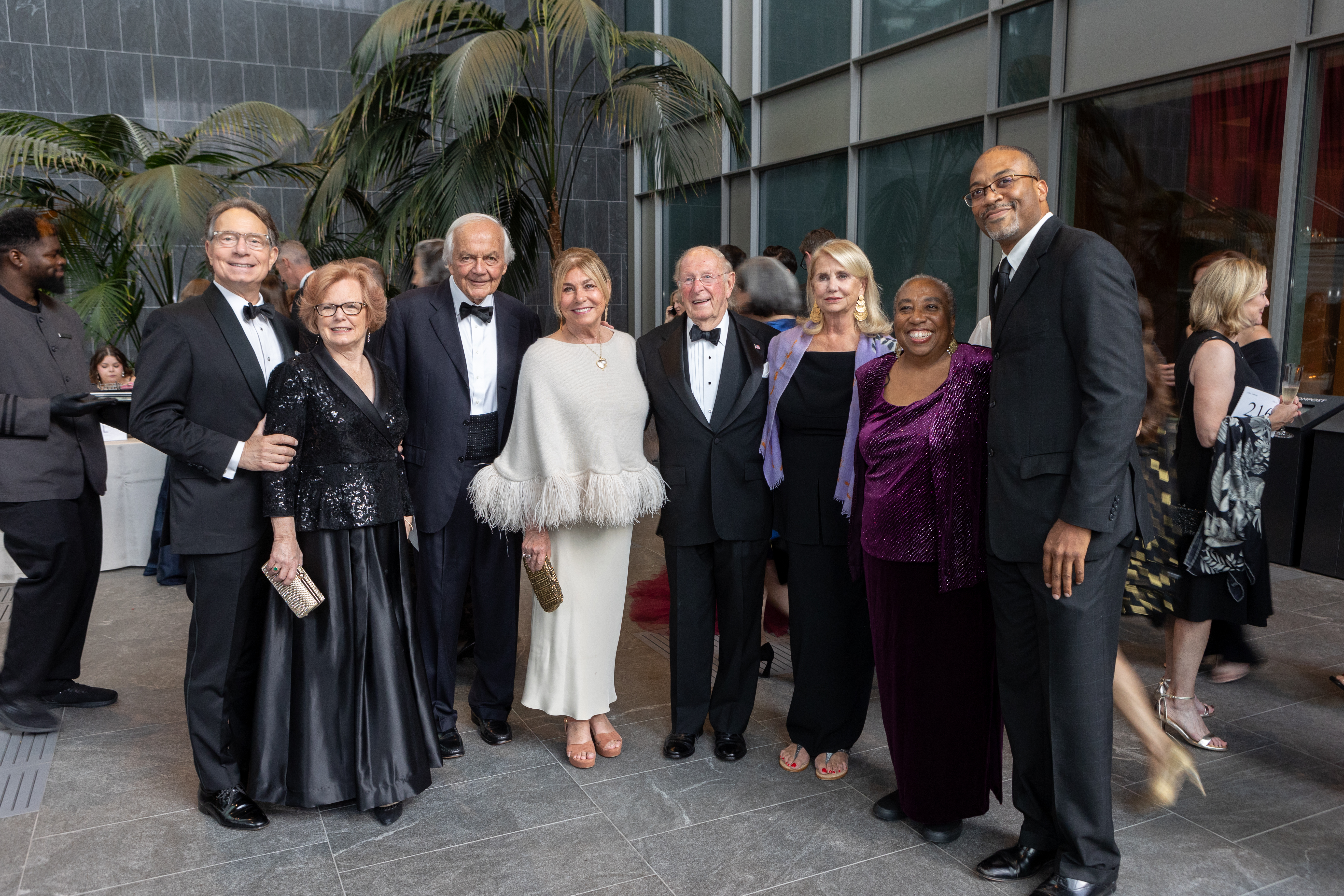
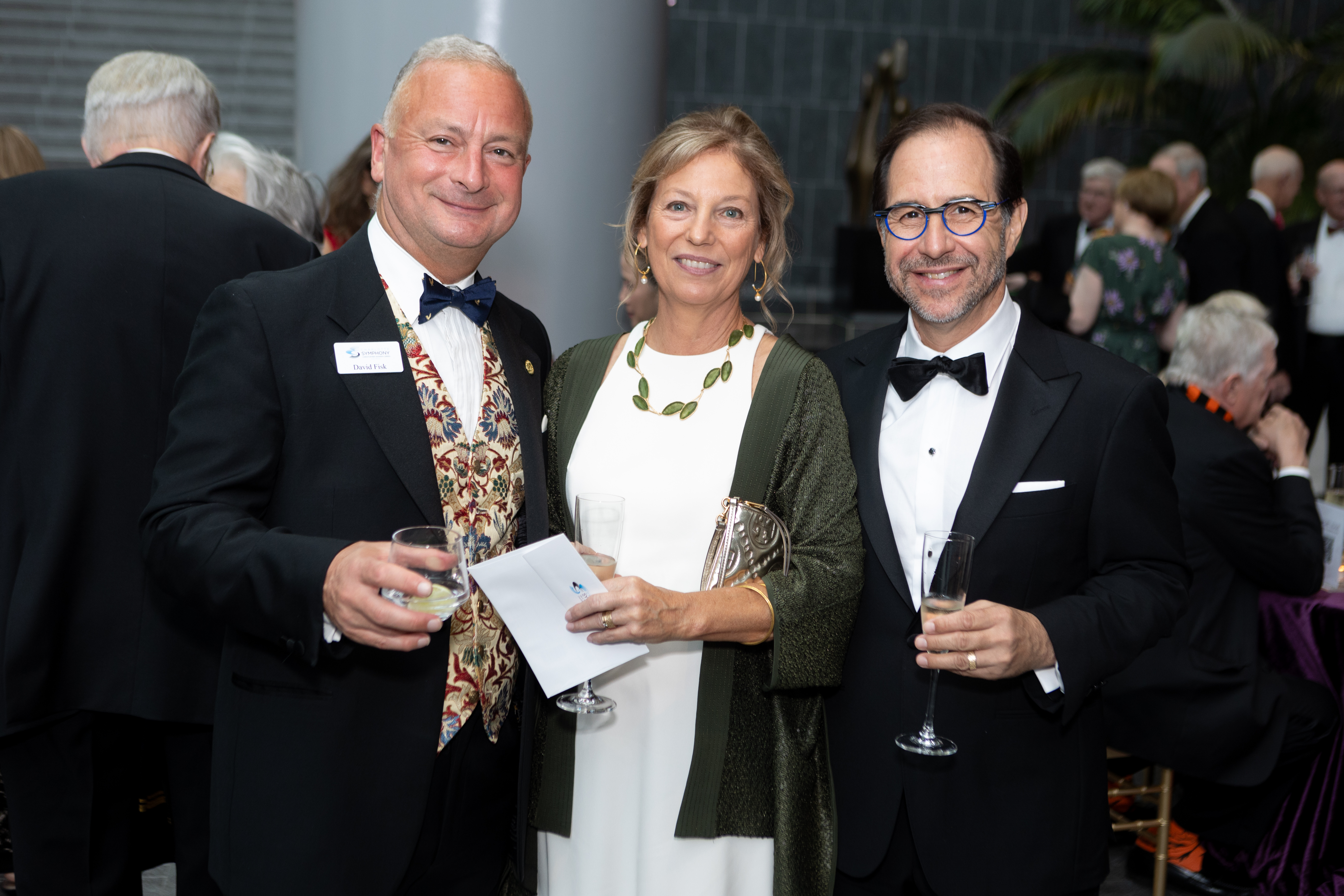


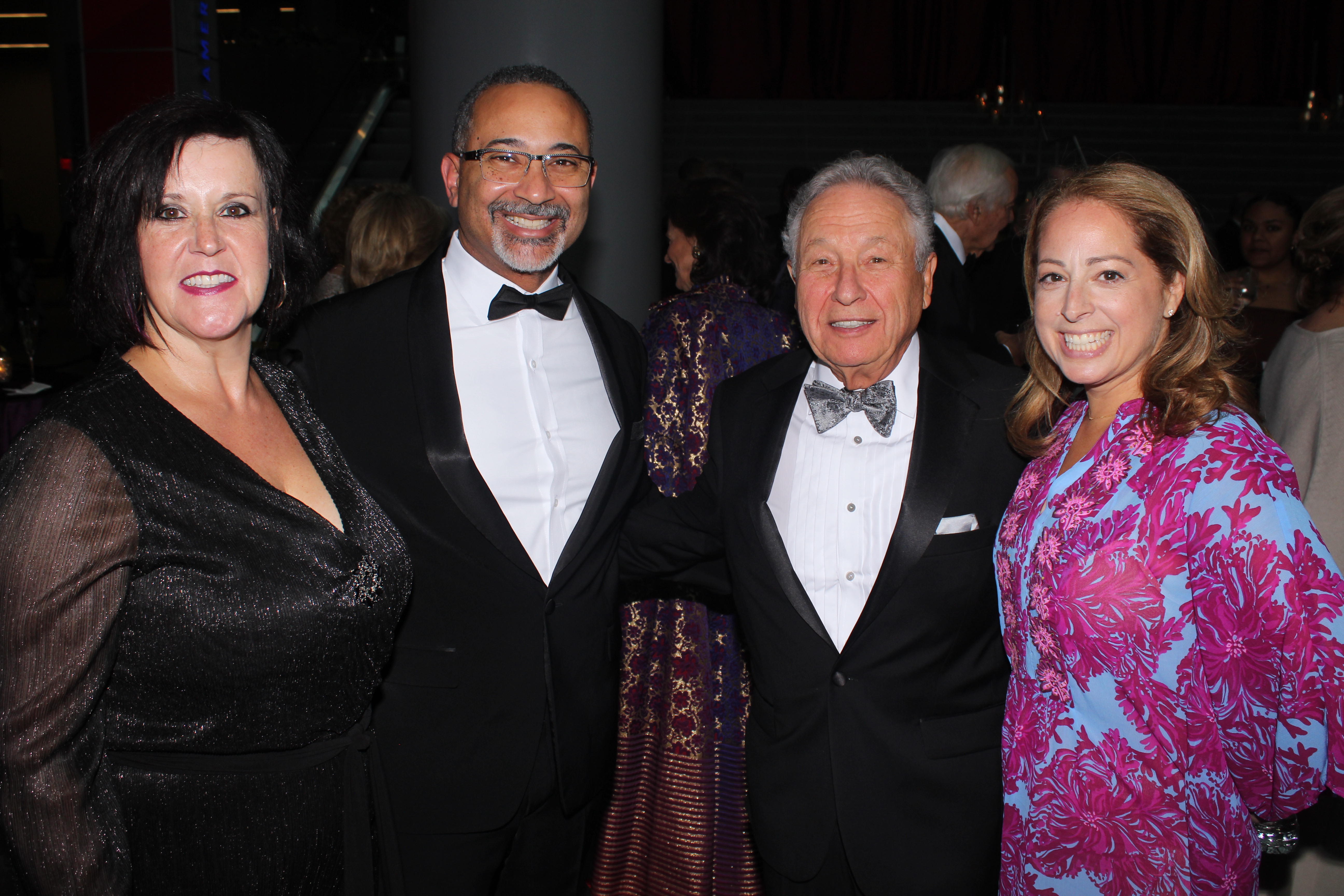
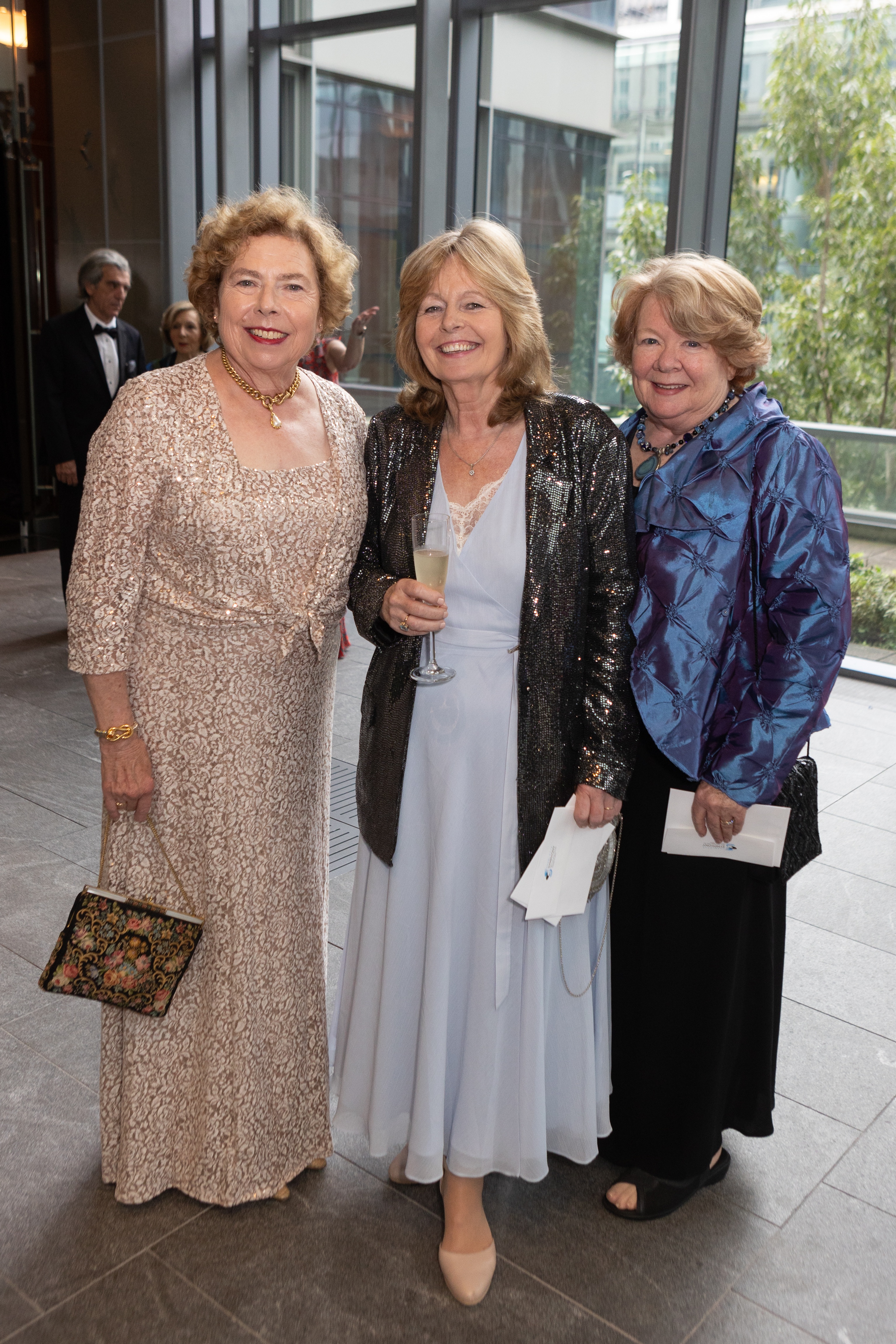
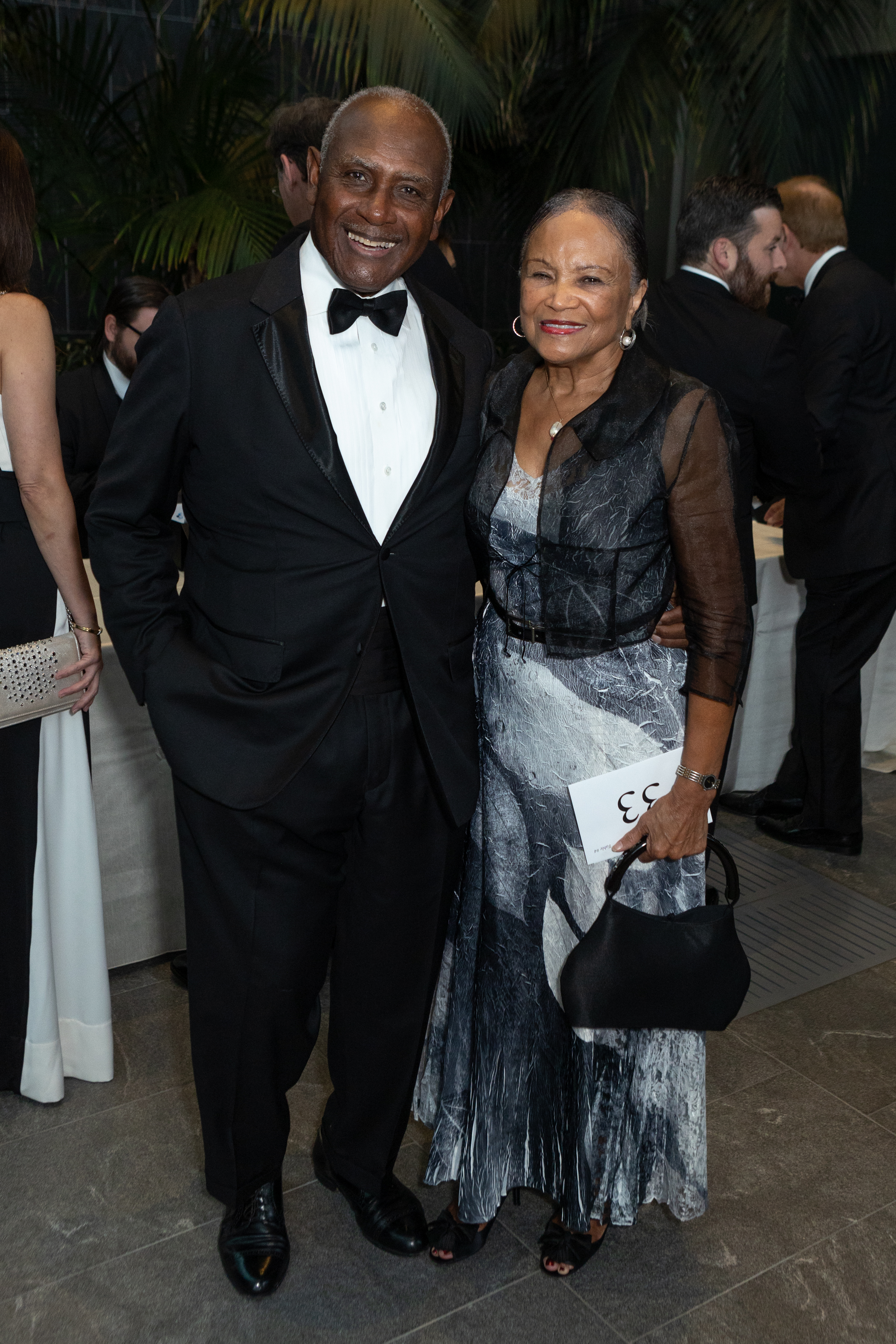
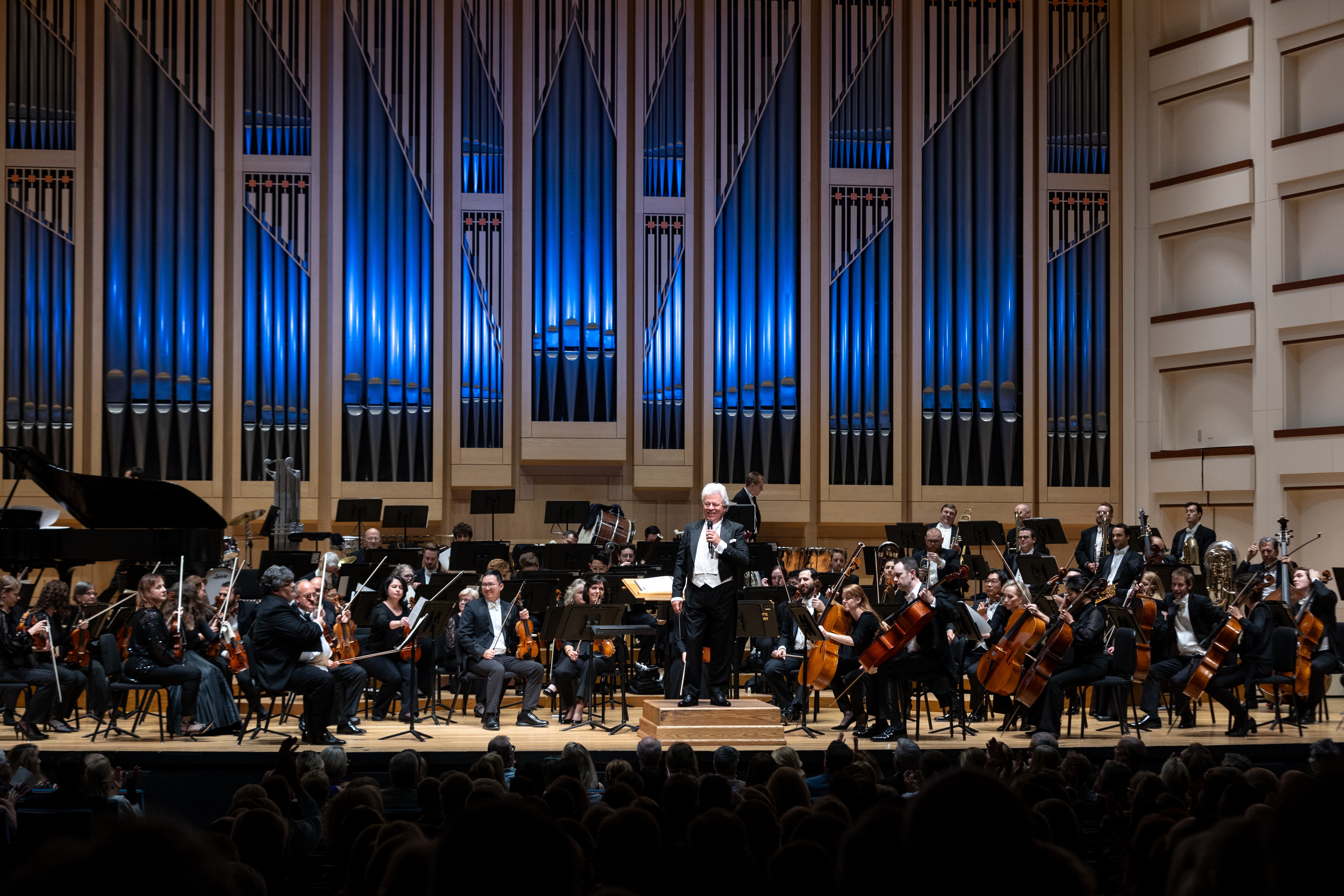
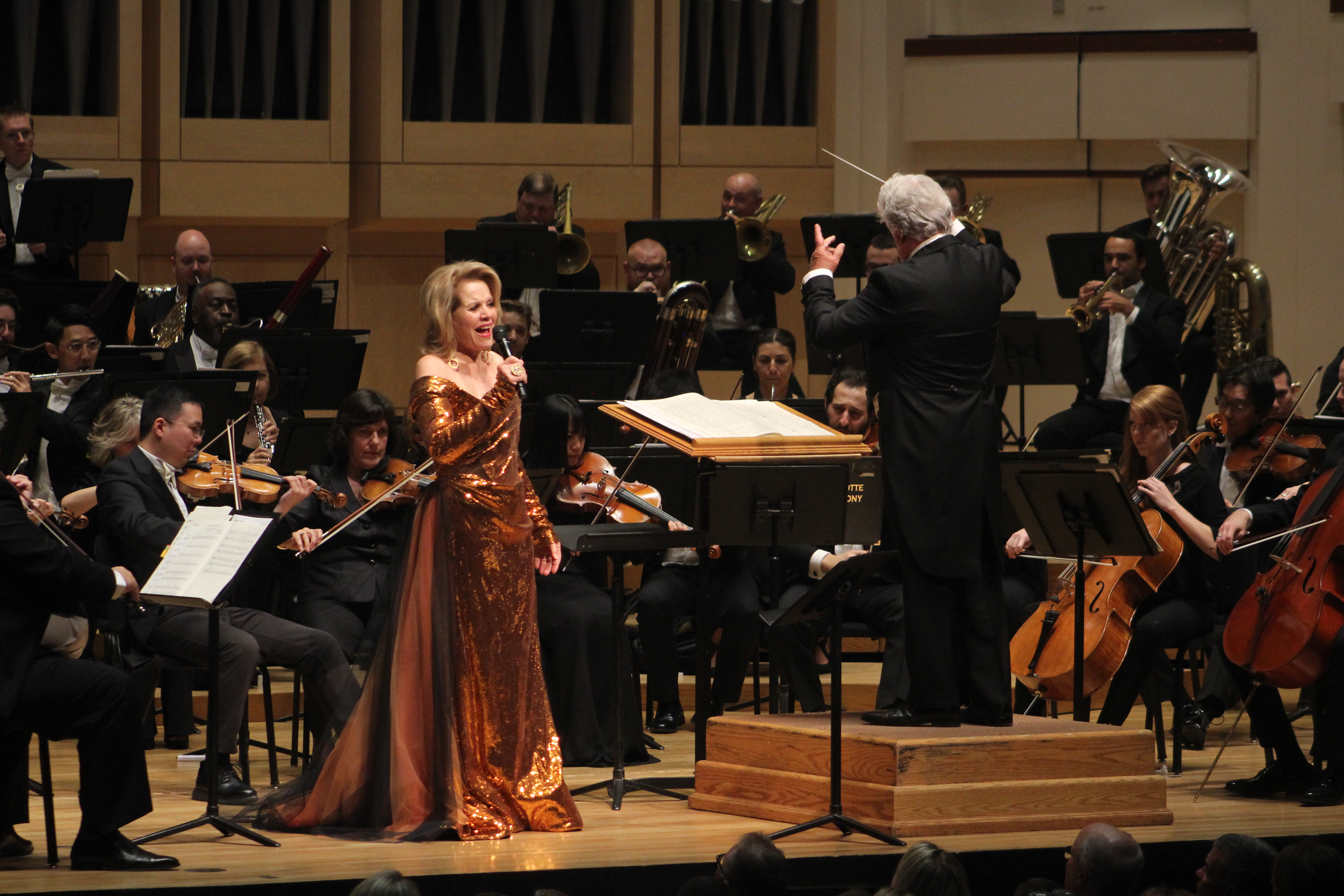
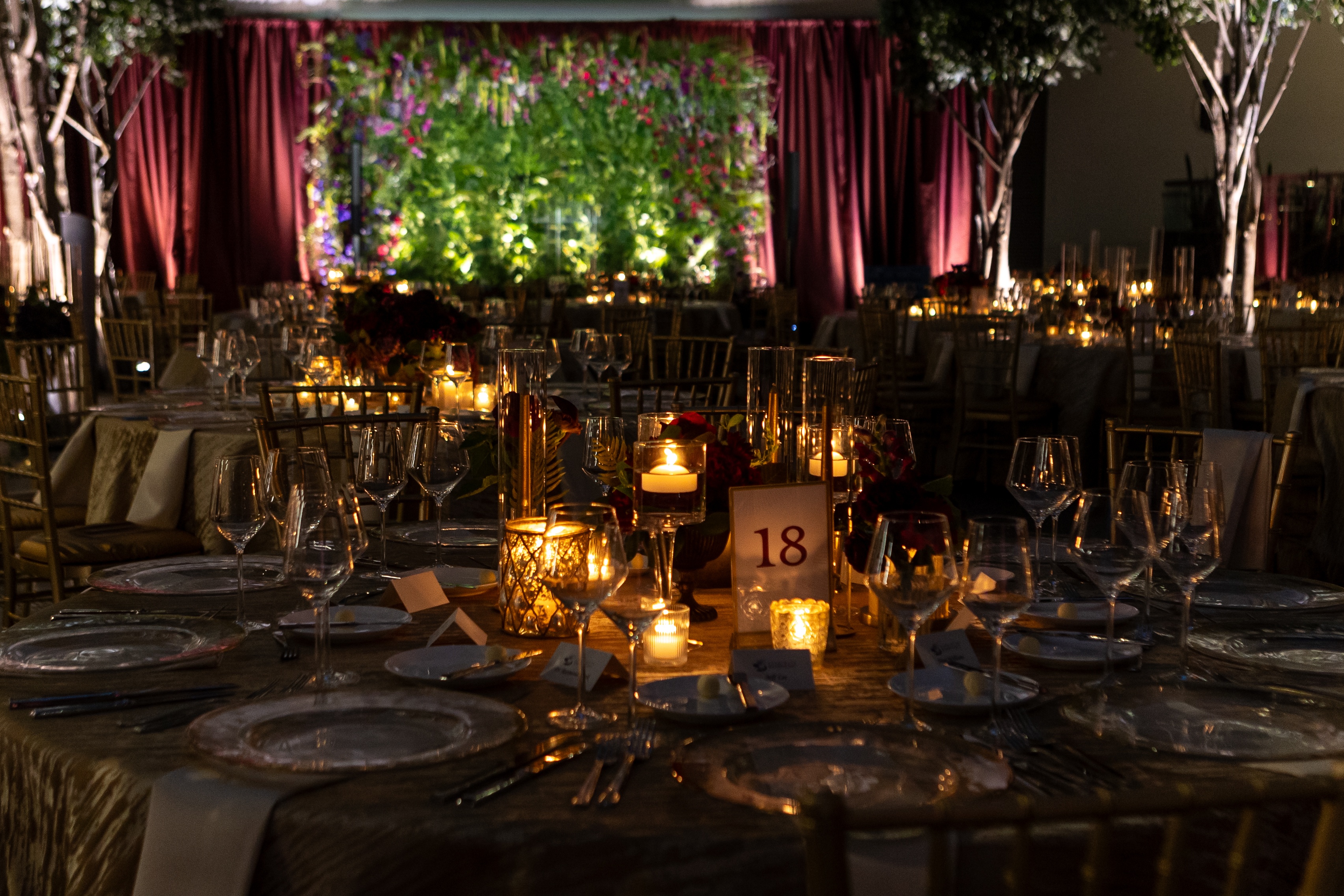
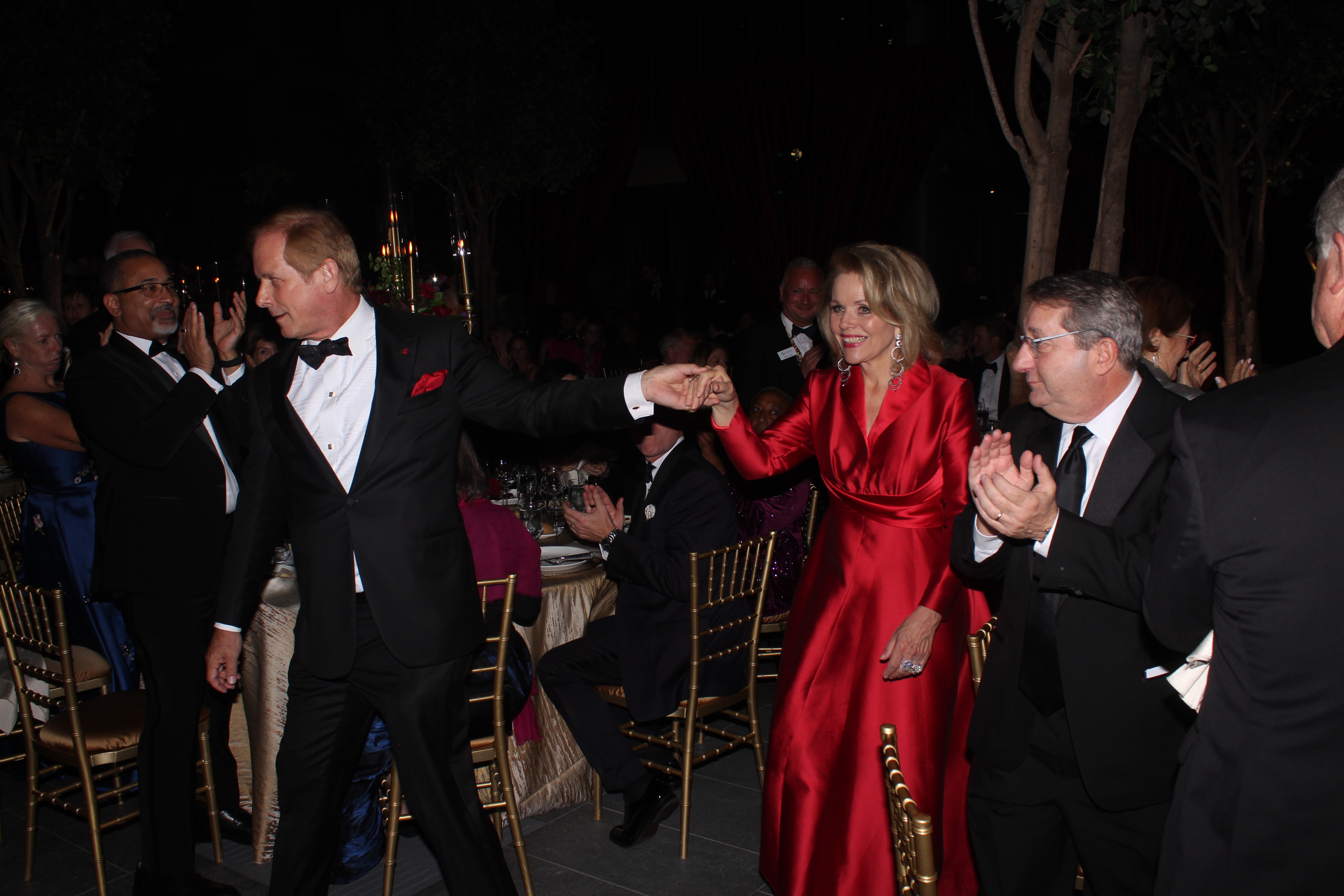
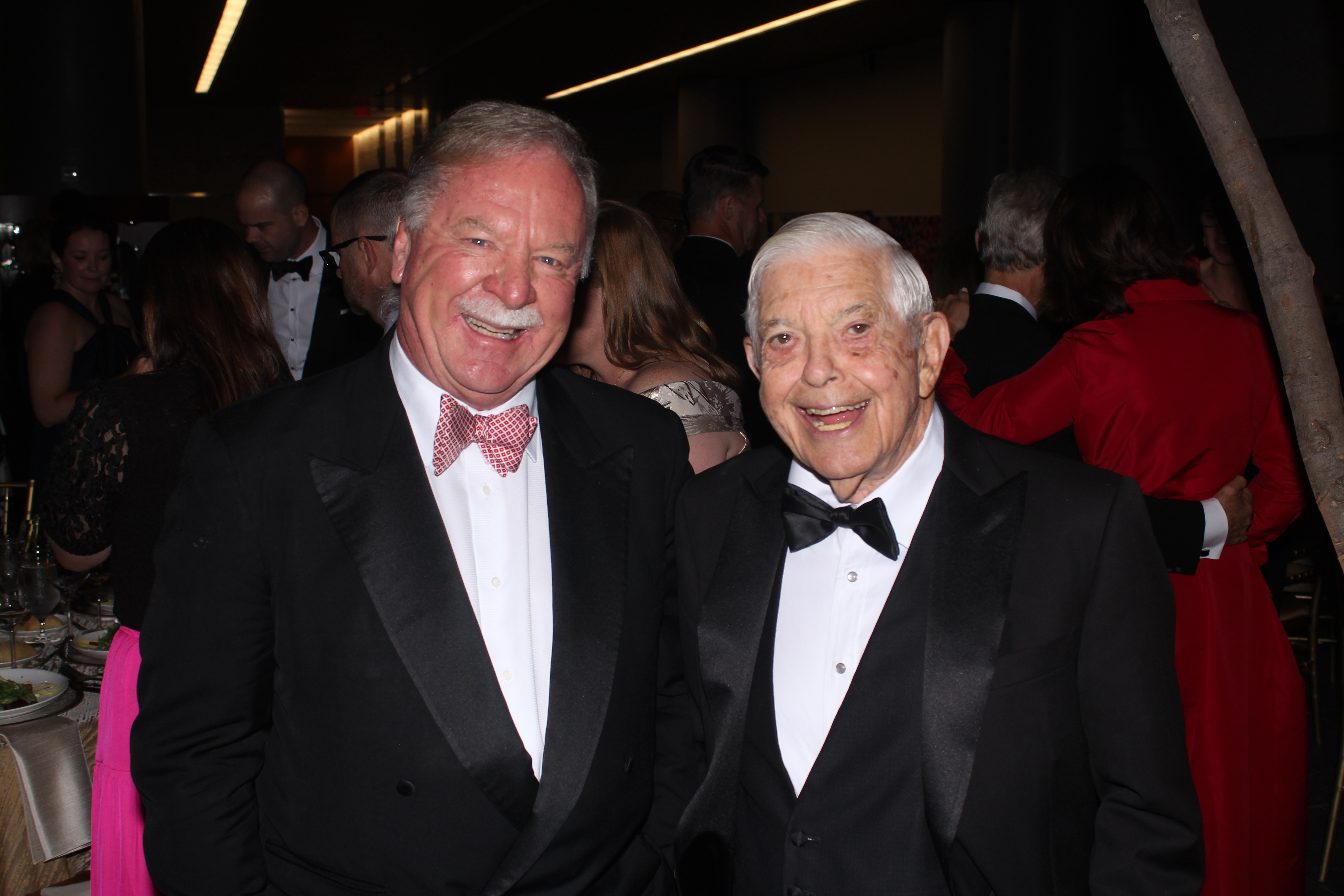
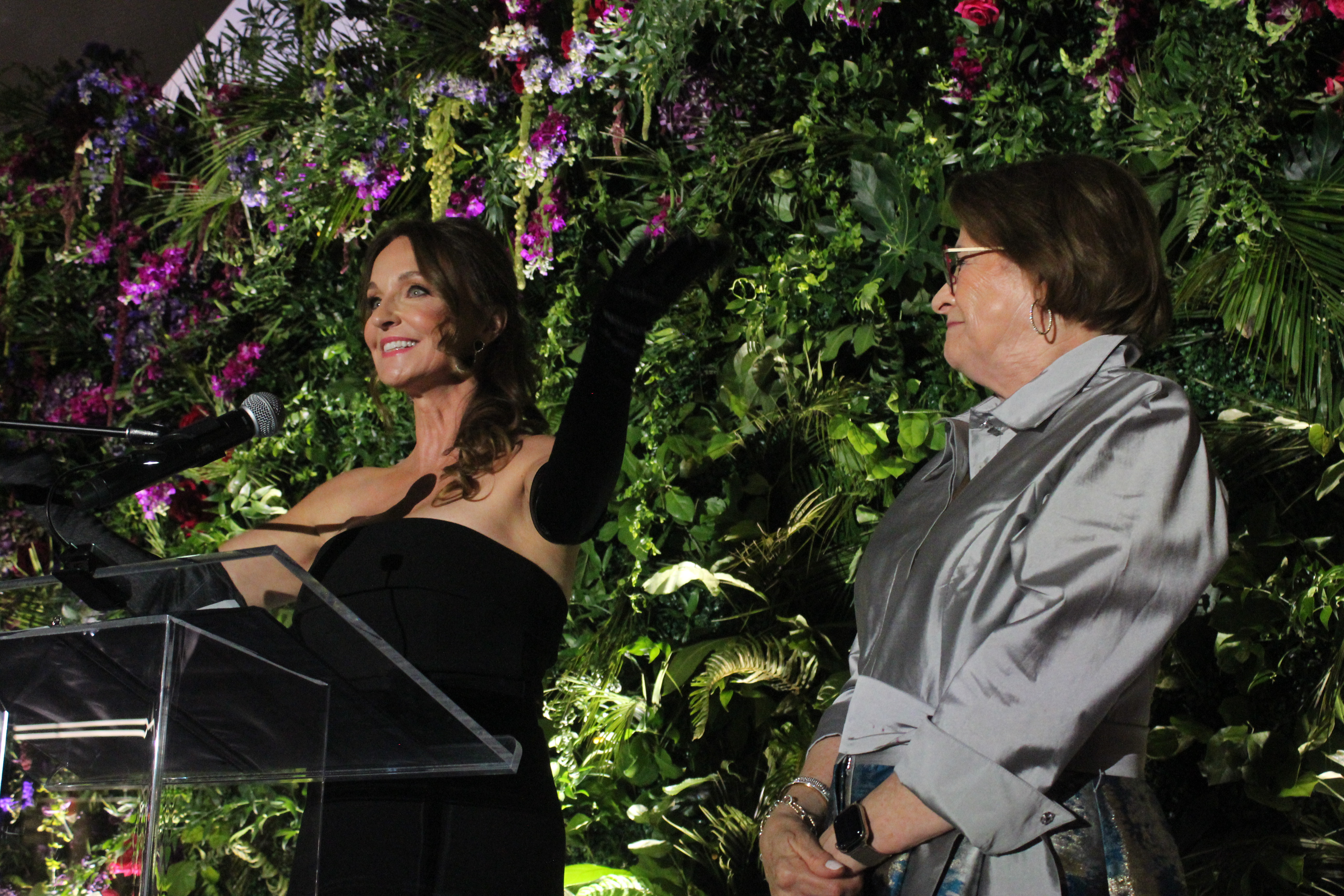
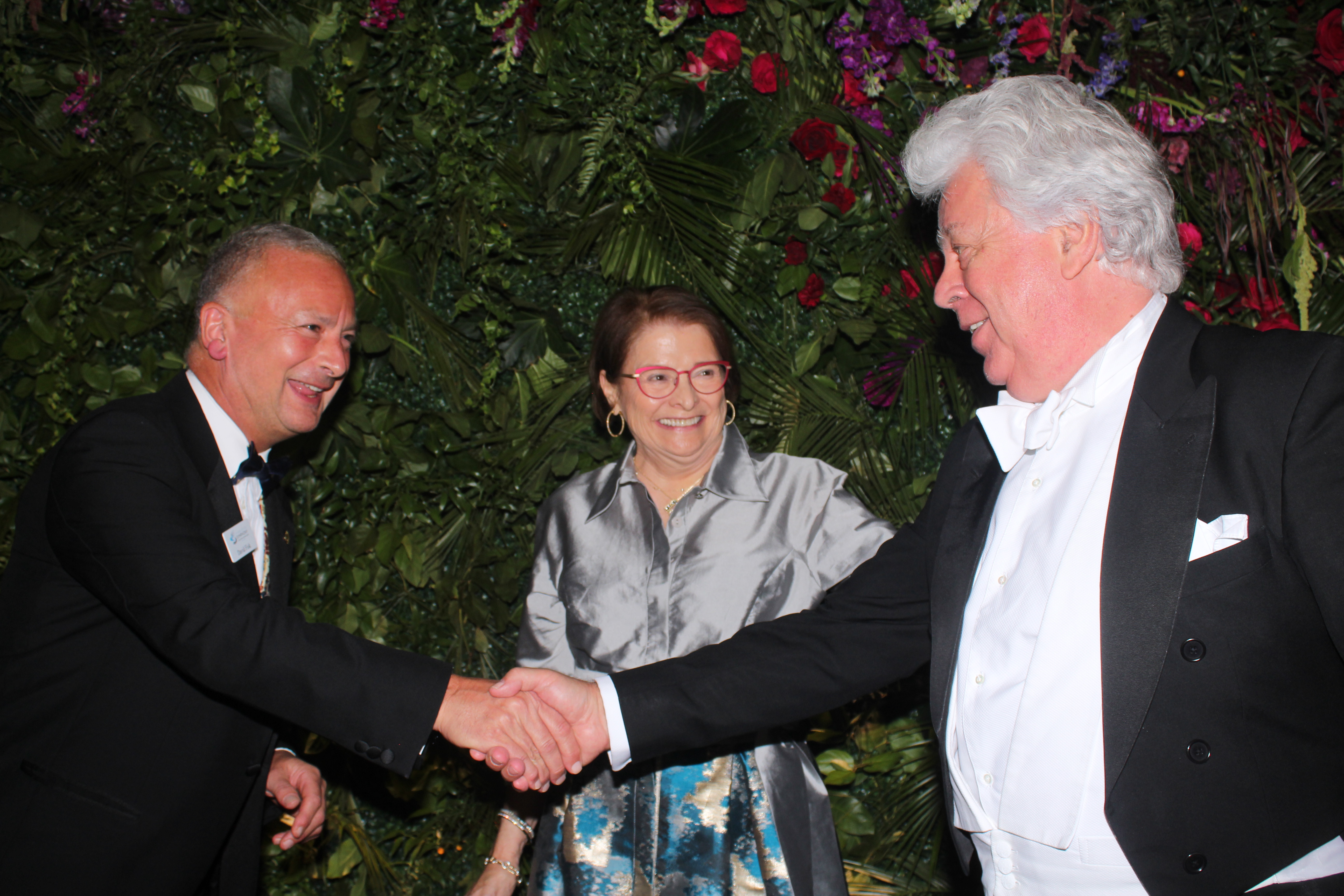
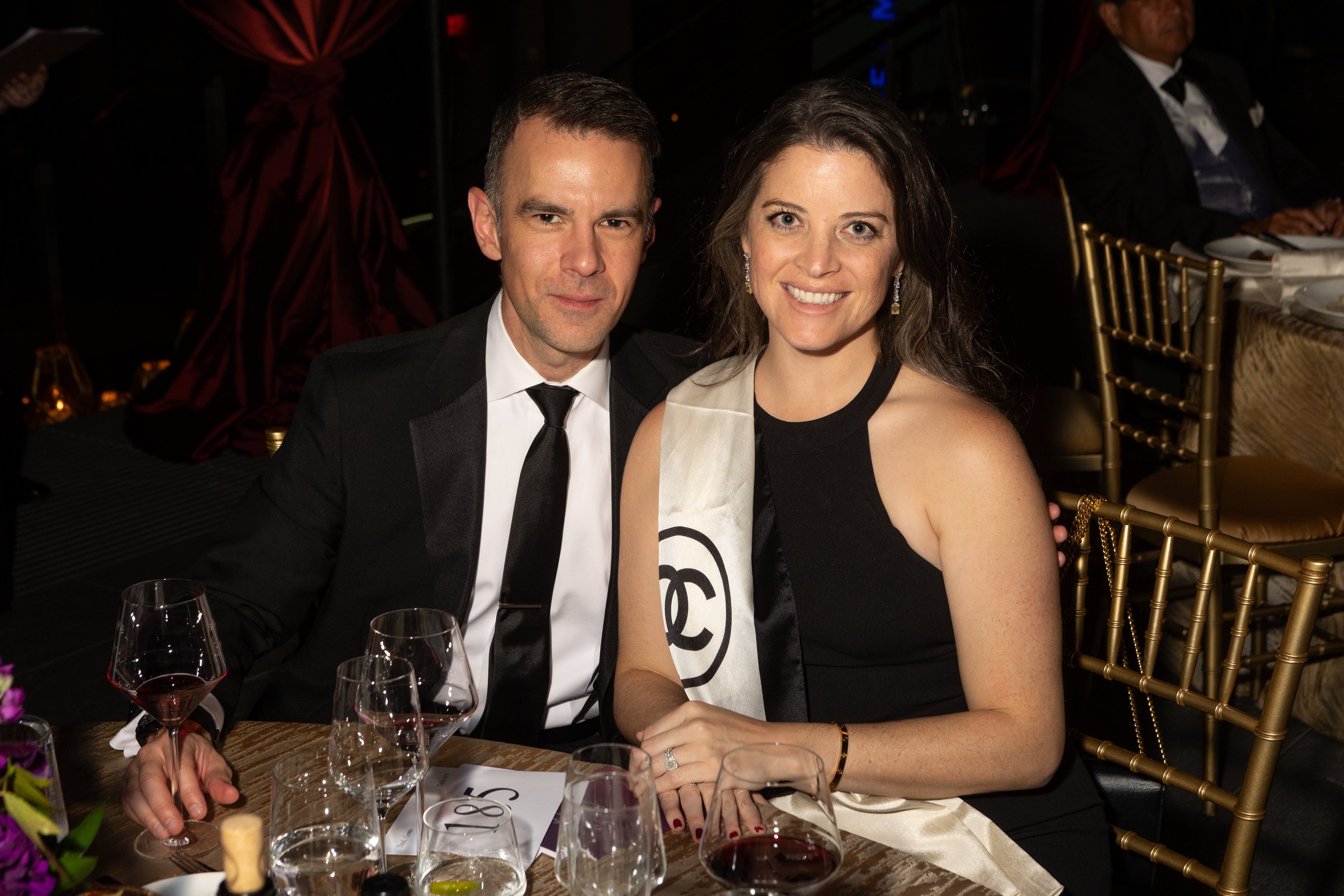
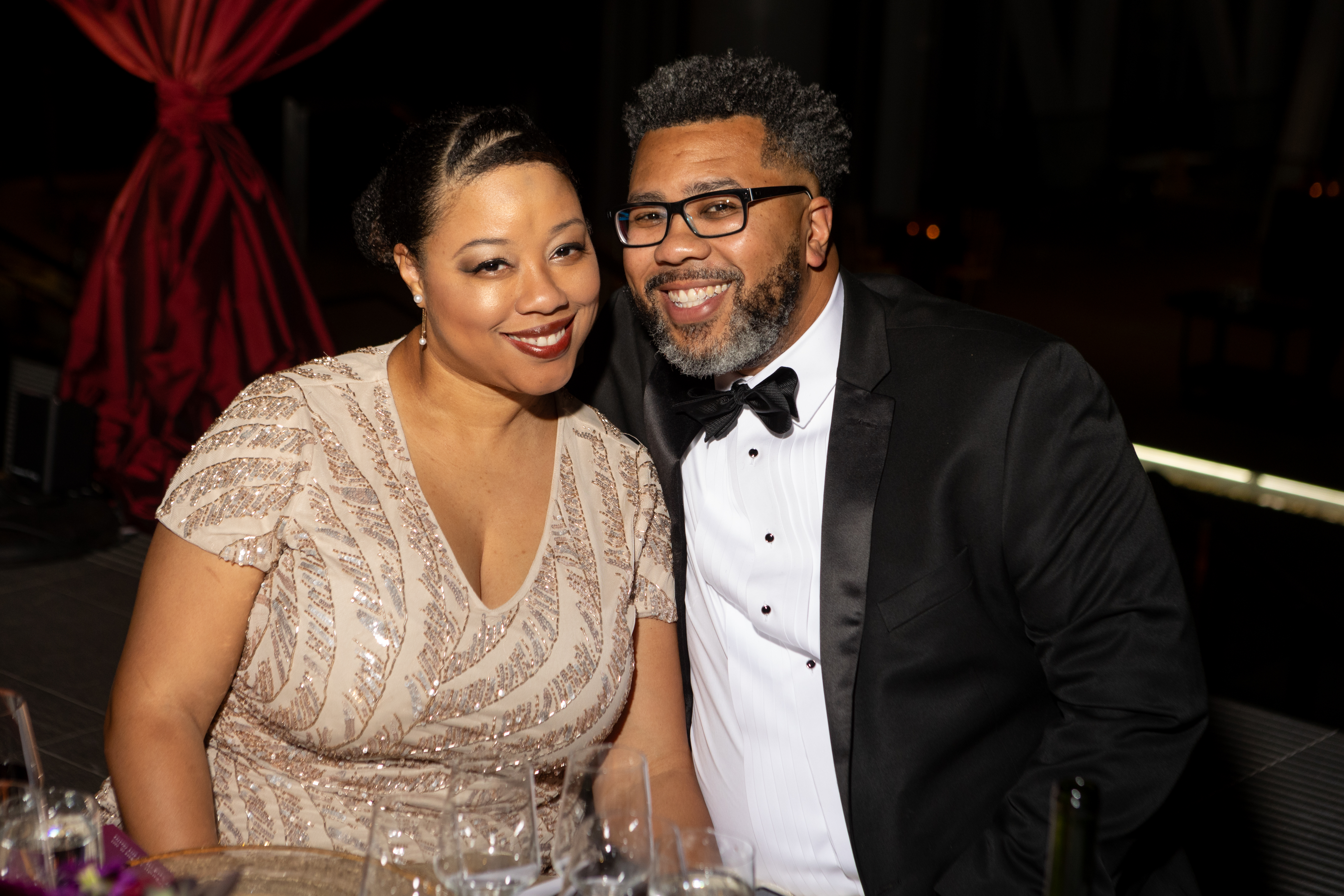
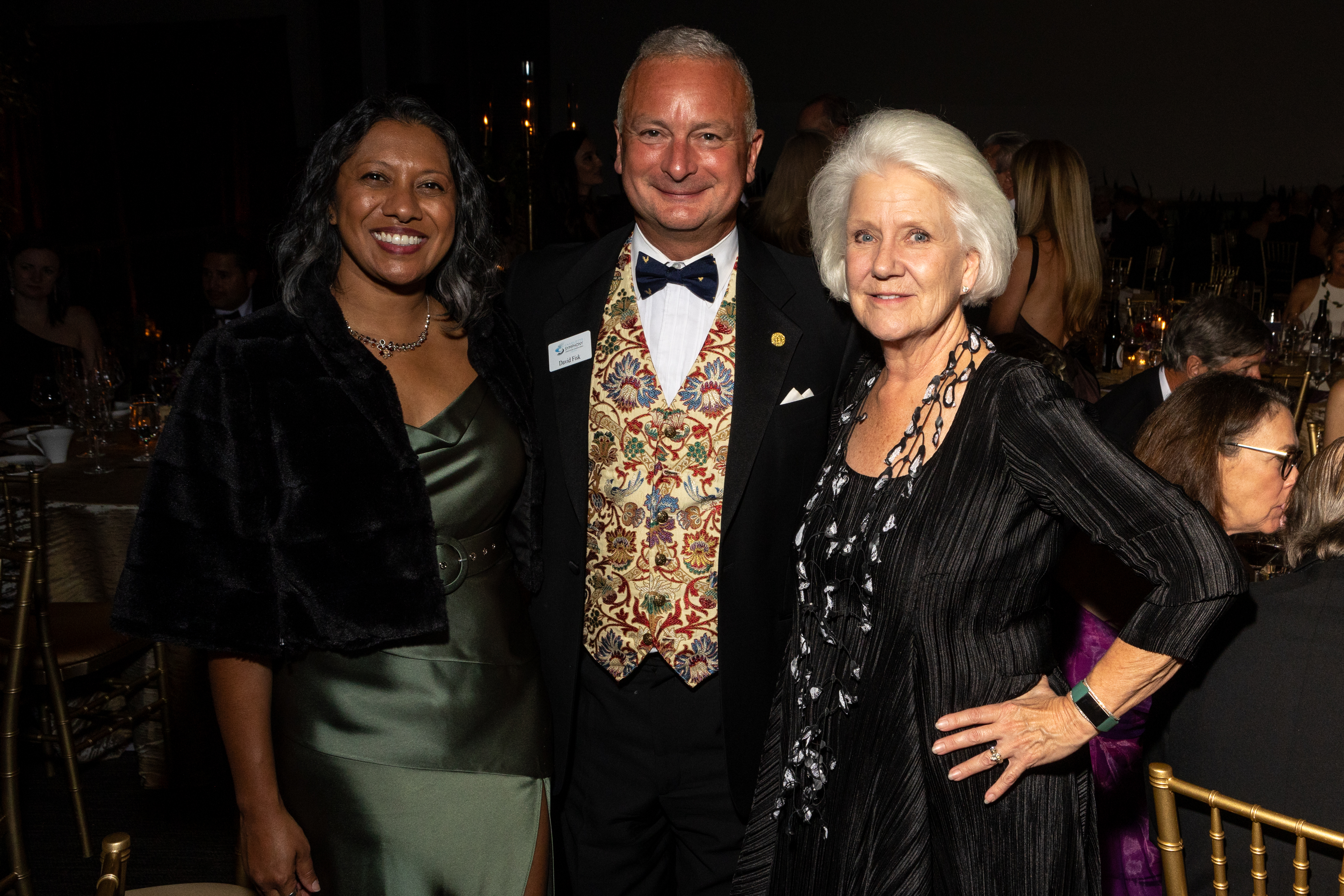
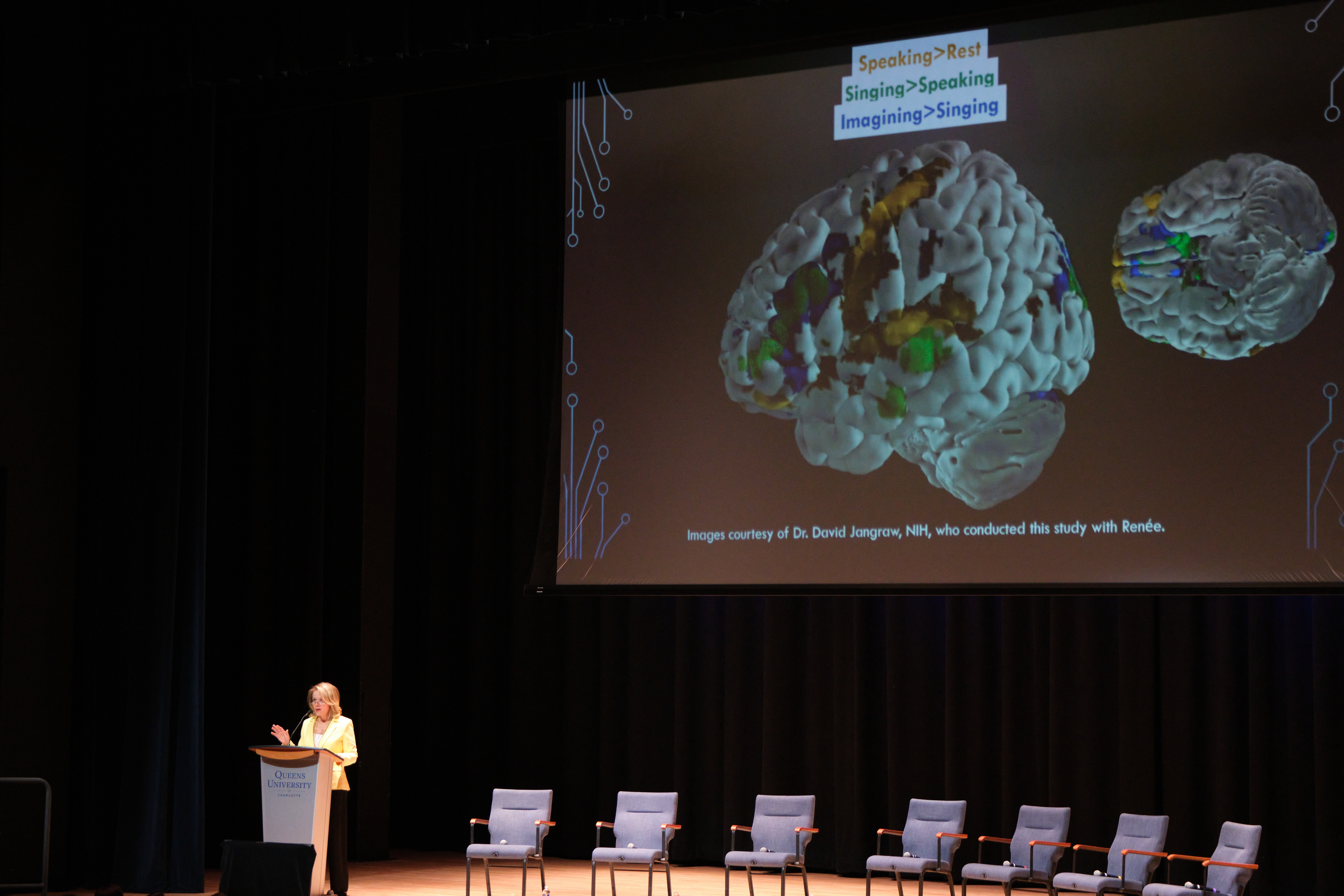

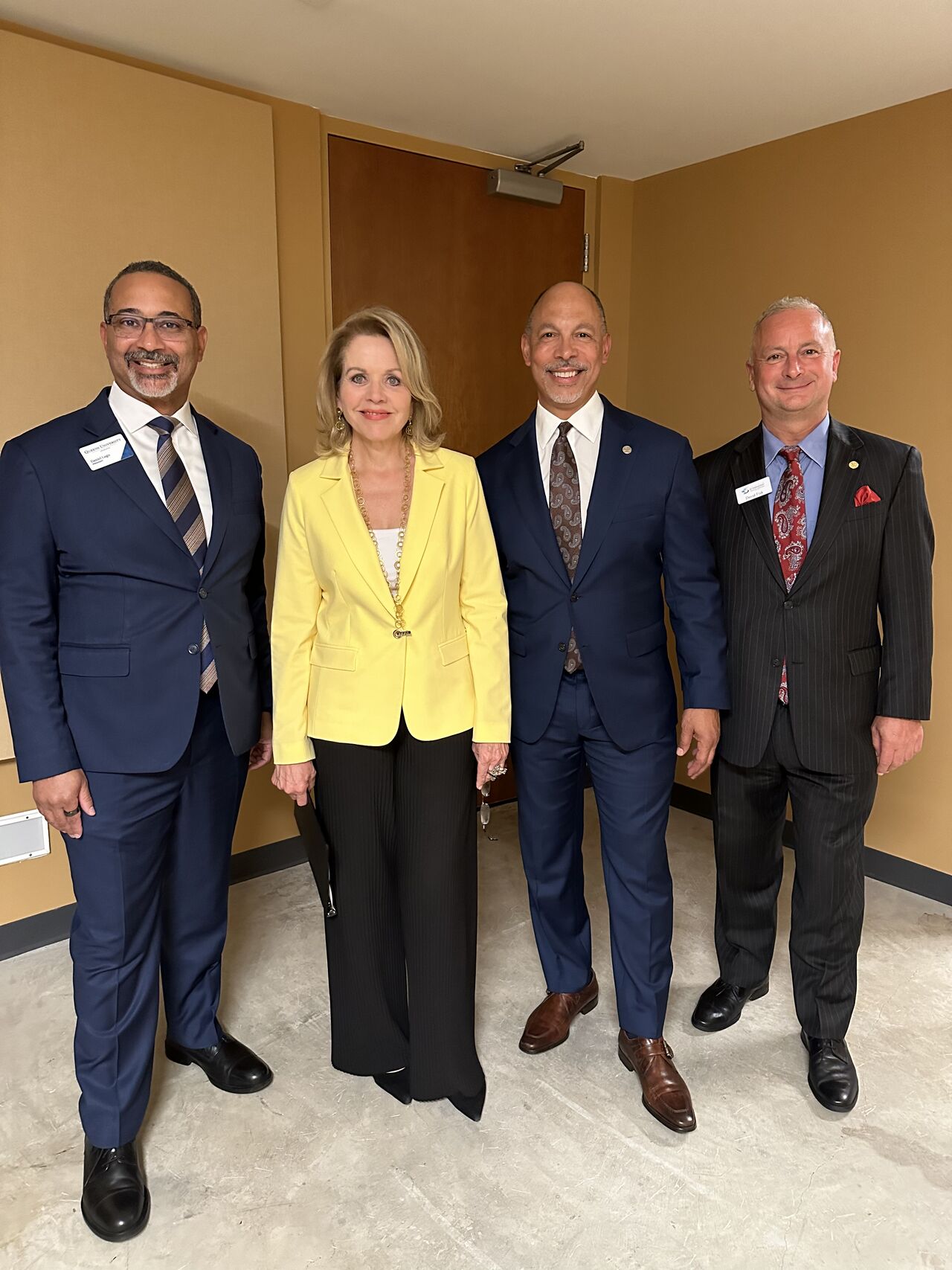
On Wednesday, September 20, the Charlotte Symphony held its Annual Gala, kicking off the 2023-24 season with a celebratory evening. The Symphony welcomed superstar soprano Renée Fleming to the stage, alongside Conductor Laureate Christopher Warren-Green, to perform beloved works like Strauss's Four Last Songs, "Climb Ev'ry Mountain," and a touching rendition of "Hallelujah."
The concert was the centerpiece of the Gala evening which honored Christopher Warren-Green for his remarkable contributions to the Charlotte Symphony during his twelve years as Music Director. Guests of the Gala enjoyed a pre-concert cocktail reception and an elegant post-concert dinner at Urban Garden.
The following day, Renée Fleming hosted "Music and Mind," a conversation on the intersection of music, neuroscience, and healthcare presented in partnership with Atrium Health and Queens University of Charlotte. Check out the photos in the slideshow above. Read more
Five Must-See Concerts of the 2023-24 Season
September 6, 2023
Anticipation is building as we get closer to the start of our 2023-24 season! With such an incredible lineup of concerts, choosing where to begin might seem overwhelming. But don't worry, we're here to help! Here are five concerts that deserve a special spot on your calendar:
An Evening with Renée Fleming
September 20 | Belk TheaterLovingly referred to as "the people's diva," Renée Fleming is one of the most beloved and celebrated singers of our time -- and she's returning to Charlotte for the first time in nearly 20 years! In this one-night-only event, led by Conductor Laureate Christopher Warren-Green, Ms. Fleming performs favorites from La Bohème and The Sound of Music alongside Richard Strauss's Four Last Songs, which she hails as "the greatest piece written for soprano and orchestra."
The Hot Sardines
November 10-11 | Knight TheaterThis group puts the "hot" in hot jazz! Think Harlem Renaissance cabarets and New Orleans speakeasies with a touch of cigar smoke and Parisian "je ne sais quoi." The Hot Sardines offer a mix of standards and modern-day hits, brought to life with brassy horn arrangements, rollicking piano, and incredible vocals by Miz Elizabeth.
Verdi's Requiem
November 17-18 | Belk TheaterThe raw power of Verdi's Requiem -- with more than 70 musicians and a choir of over 100 -- will blow you right back in your seat when Kwamé Ryan joins the Charlotte Symphony and Charlotte Master Chorale to conduct this musical tour de force. Verdi's Requiem is full of contrasts, from the sublime lyricism of the opening movement to the sheer terror of its infamous "Dies irae."
Beauty and the Beast in Concert
January 12-13 | Oven AuditoriumRelive the enchantment of Belle and the Beast's timeless journey and share the magic of this Disney classic with your little ones! Alan Menken's Academy Award-winning score, including "Tale as Old as Time" and "Be Our Guest," will come to life when performed by the Charlotte Symphony in sync with the full-length film. Get there a few minutes early to grab some popcorn and enjoy the show!
Jennifer Koh Plays Mazzoli
January 19-20, 2024 | Knight TheaterThis all-American program takes us from the Blue Ridge Mountains of North Carolina to the open ranges of the Old American West with Jennifer Higdon's Cold Mountain Suite and Aaron Copland's Billy the Kid Suite. Violinist Jennifer Koh, known for her intense and commanding performances, brings her dazzling virtuosity to Missy Mazzoli's Violin Concerto, Procession, which will lead you on a music journey through five healing spells based on the healing rituals of the Middle Ages.
5 Pro Tips for the Best Summer Pops Experience
May 4, 2023
Summer is just around the corner, and that means it's time for one of Charlotte's most anticipated events of the year: the Charlotte Symphony's Summer Pops series! Whether you're buying single tickets or reserving a pod for all four concerts, we've got some pro tips to make you feel like a Summer Pops expert and prepare you for the ultimate experience.

Buy your tickets today, and plan to arrive early
Psst...did you know early bird pricing is available for Summer Pops? Prices increase when you purchase at the gate, so make sure you buy your tickets before June rolls around! The Summer Pops series is a popular event every year, so you won't risk missing out on a great concert that sells out or having to wait in the purchase line.With your tickets bought, plan to arrive early to enjoy the evening at the park. Summer Pops brings a large crowd of enthusiastic concert-goers each week, so the best spots on the lawn get snatched up when the gates open at 5 pm. Make sure to arrive early and claim your spot. Then, you'll have plenty of time to enjoy dinner and the preshow at 7!

Reserve your lawn space for the VIP experience
Want to avoid the rush altogether? Reserve your lawn space and arrive whenever you want! New this year, subscribe to all four Summer Pops concerts and your own pod-style space will be waiting for you each week. A subscriber check-in station will allow you to skip the general admission lines. Available in 2-person, 4-person, 6-person, and 8-person pods, you'll enjoy a premium location front and center on the lawn. Get your family or friends together, because the larger the pod, the less you'll pay per person! You'll want to claim your space early -- pods are selling quickly, and only available until June 2 or until premium spaces sell out. Learn more about pods here.
Dine like a pro
The seasoned Summer Pops fan knows food is an essential part of the Summer Pops experience. At Symphony Park, you've got great options for dinner! Reid's Fine Foods inside SouthPark Mall offers a variety of sandwiches, salads, and gourmet entrees until 8 pm on Sundays, and you'll find street food staples like hot dogs and ice cream at food trucks in the parking lot just outside Symphony Park! Whatever you choose to grab or bring to eat, a blanket or low-backed lawn chairs and a cooler are key to dining comfortably in the park. Beer and wine are allowed, too, so you're welcome to sip your favorite drink as you enjoy music under the stars.
Don't forget water, sunscreen, and bug spray
If you've experienced summer in Charlotte, you know having fun in the sun means planning to bring the trio of essentials: water, sunscreen, and bug spray. The Symphony Park lawn is uncovered and open to the elements, so don't forget to pack your bag and cooler accordingly!
Carpool or use rideshare
Several lots at SouthPark Mall and around Symphony Park offer free parking, but spaces fill up fast. When practical, carpooling and ridesharing are encouraged for easy access to and from the park. So catch a ride with friends or grab a Lyft or Uber right to the check-in tent.Ready to enjoy Summer Pops? Buy your tickets or pod now (you Summer Pops pro, you!), and for any other lingering questions, check out the Summer Pops FAQs. We can't wait to see you at Symphony Park!
Read more
A Preschool Performance Three Years in the Making
April 5, 2023


Last week, the young students from Charlotte Bilingual Preschool held their final music concert -- a performance three years in the making! The partnership between the Charlotte Symphony and Charlotte Bilingual Preschool began just five weeks before the pandemic forced students to go remote. The CSO quickly pivoted, integrating music education into the school's literacy objectives via online instruction. Despite the challenges, the program was a success! Teachers observed the students improve their connection between language and music education and expand their musical skills, including instrument position, rhythm, and intonation.
At their final -- and first in-person -- performance of the year, these young musicians played variations of Twinkle Twinkle Little Star on box violins while Charlotte Symphony musicians assisted. We're so proud of all of their hard work and look forward to helping more future musicians learn and grow.
Photos by Mical Hutson Read more
| Older Posts » |
Latest Posts
- MERGE: Symphonic x Electronic
- Heart of the Home Tour Returns
- Composer Spotlight: Nia Imani Franklin
- More Famous Than Mozart: Joseph Bologne, Chevalier de Saint-Georges
- Art in Motion: Rosalia Torres-Weiner Chosen to Design CSO Roadshow
- Announcing Kwamé Ryan as the Charlotte Symphony’s Next Music Director
- Photos: Charlotte Symphony Annual Gala and Concert
- Five Must-See Concerts of the 2023-24 Season
- 5 Pro Tips for the Best Summer Pops Experience
- A Preschool Performance Three Years in the Making
 SHOP
SHOP